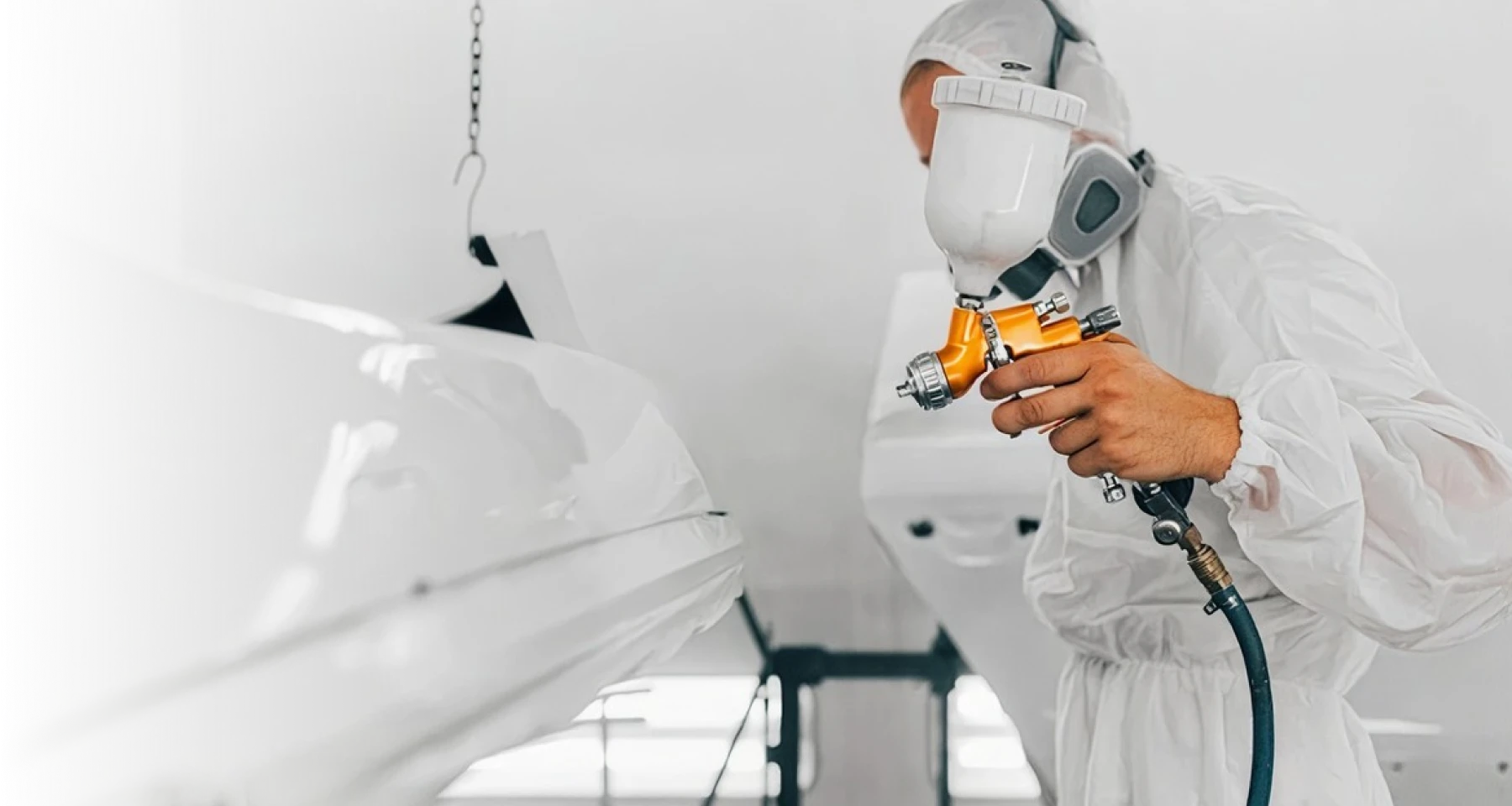
Gloris TPU paint protection film features heat activated self healing, hydrophobic coating, up to 10Mil thickness, anti corrosion and 8 year warranty.
TPU Paint Protection Film PPF

Product Overview
Product Application
Suitable for sedans, SUVs and EV body panels. Shields original paint against stone chips, scratches, bird droppings and road contaminants.
Model Options
- S5 5.5Mil TPU PPF
- S7 7.5Mil TPU PPF
- S8 8.5Mil TPU PPF
Thickness Options
- 5.5 mil
- 7.5 mil
- 8.5 mil
- 10 mil(Customized)
Colour Options
- Transparent
Minimum Order Quantity
10 Rolls
 Wholesale or Distribution
 Product Features
Technical Details
| Model | Feature | Size (m) | Thickness | Elongation at Break | Tensile Strength | Temperature Resistance | Self-Healing | Corrosion Resistance | Aging Resistance | Warranty |
|---|---|---|---|---|---|---|---|---|---|---|
| S5 | — | 1.52×15 | 5.5 Mil | 310% | >25 MPa | -48°C~110°C | ✓ | ✓ | ✓ | 8 Year |
| S7 | — | 1.52×15 | 7.5 Mil | 360% | >25 MPa | -48°C~110°C | ✓ | ✓ | ✓ | 8 Year |
| S7-Max | Imported TPU | 1.52×15 | 7.5 Mil | 360% | >25 MPa | -48°C~110°C | ✓ | ✓ | ✓ | 8 Year |
| S8 | — | 1.52×15 | 8.5 Mil | 360% | >25 MPa | -48°C~110°C | ✓ | ✓ | ✓ | 8 Year |
| S8-Max | Imported TPU | 1.52×15 | 8.5 Mil | 360% | >25 MPa | -48°C~110°C | ✓ | ✓ | ✓ | 8 Year |
Advanced TPU Base Material
TPU paint protection film features a premium TPU base combined with nano-technology, enhancing surface gloss and preserving the showroom shine of your vehicle.

Maximum Thickness up to 10mil
Customized with a maximum thickness of 10mil, the film effectively shields against stones, debris, bird droppings, salt, and sand, providing long-lasting paint protection.

Self-Healing Capability
Surface scratches self-repair using engine or sunlight heat, restoring the glossy, factory-new appearance effortlessly.
Easy Installation
High elasticity and stretchability enable smooth application on curved or irregular surfaces, improving installation efficiency by over 30%.
Hydrophobic Ceramic Coating
The advanced ceramic layer provides excellent water repellency, helping maintain clean and glossy paint surfaces.
For Wholesalers & Distributors
Gloris supplies complete automotive refinishing solutions to wholesalers and distributors worldwide. Our product range covers abrasive sanding discs, body filler, clear coats, window films and PPF. We deliver consistent, high-quality products with reliable supply to help partners grow their automotive repair business.
Related Insights


FAQ
How should you choose the right TPU paint protection film thickness for your vehicle and use case?
Choosing paint protection film thickness usually means balancing protection level, installation conformity, and budget.
You may also want to compare this with After installation, how soon can paint protection film be washed, exposed to rain, or delivered to the customer? and After installation, how should paint protection film be cleaned and maintained day to day?.
A practical way to understand the options is:
-
Thinner grades: better for close conformity, daily commuting, and standard light protection.
-
Mid-range grades: usually the more balanced choice between durability, protection, and installation difficulty.
-
Thicker grades: better suited to vehicles that run at high speed frequently, see more stone impact, or need stronger protection on front-end focal areas.
Key points to evaluate:
Consider the vehicle environment, whether it often drives on highways, how important protection is for the bumper and hood area, and how experienced the installation team is with curved surfaces.
Note:
Greater thickness usually means stronger protection, but that does not mean every vehicle should choose the thickest option. A suitable specification matters more than chasing the biggest number.
Related product links
Further reading
After installation, how soon can paint protection film be washed, exposed to rain, or delivered to the customer?
Once PPF installation is finished, the film is not fully stabilized immediately. Wrapped edges, complex curves, and tight gap areas usually still need time for the adhesive to settle and residual moisture to escape.
You may also want to compare this with After installation, how should paint protection film be cleaned and maintained day to day? and How should you choose the right TPU paint protection film thickness for your vehicle and use case?.
General timing guidance:
-
Under normal conditions, the first 24 to 48 hours are better treated as a settling period rather than a full-use period.
-
Brief light rain is usually manageable, but heavy rain exposure or high-pressure washing right after installation is not recommended.
-
If the job includes many wrapped edges, lower temperature, or high humidity, it is safer to allow more time before delivery.
Recommended practice:
-
Avoid immediate deep washing, aggressive rinsing into seams, or hard wiping along the film edges right after installation.
-
Before delivery, inspect wrapped edges, door handle recesses, bumper corners, and other tension points for lift-back or trapped moisture lines.
-
For premium deliveries or complex vehicles, allowing additional stabilization time is usually the safer choice.
-
The best timing for washing, road use, and customer handoff should be judged together with film type, installation complexity, and the actual weather conditions, not by a single fixed hour count.
Related product links
How should you deal with yellowing, dullness, or dirty edges on paint protection film?
When PPF starts to yellow, lose gloss, or collect dark grime along the edges, the first step is to tell whether the issue is surface contamination, poor maintenance, or true material aging. The right fix depends on the cause.
You may also want to compare this with After installation, how should paint protection film be cleaned and maintained day to day? and After installation, how soon can paint protection film be washed, exposed to rain, or delivered to the customer?.
Start by identifying the source:
-
A dull surface or rough touch is often caused by traffic film, wax buildup, or mineral deposits.
-
Dark edges are commonly related to dust, road grime, and moisture staying around the film borders for too long.
-
Obvious yellowing, cracking, or adhesive problems usually point to more advanced material aging.
Care recommendations:
-
Use pH-neutral car wash products and soft towels, and avoid harsh solvents, strong alkaline cleaners, or aggressive polishing compounds.
-
After washing, dry the film edges and tight gaps to reduce long-term contamination buildup.
-
Use PPF-compatible care products regularly to help maintain gloss and water repellency.
-
If the film shows irreversible yellowing, cracking, or widespread dullness, evaluate partial replacement or full panel replacement as soon as possible.