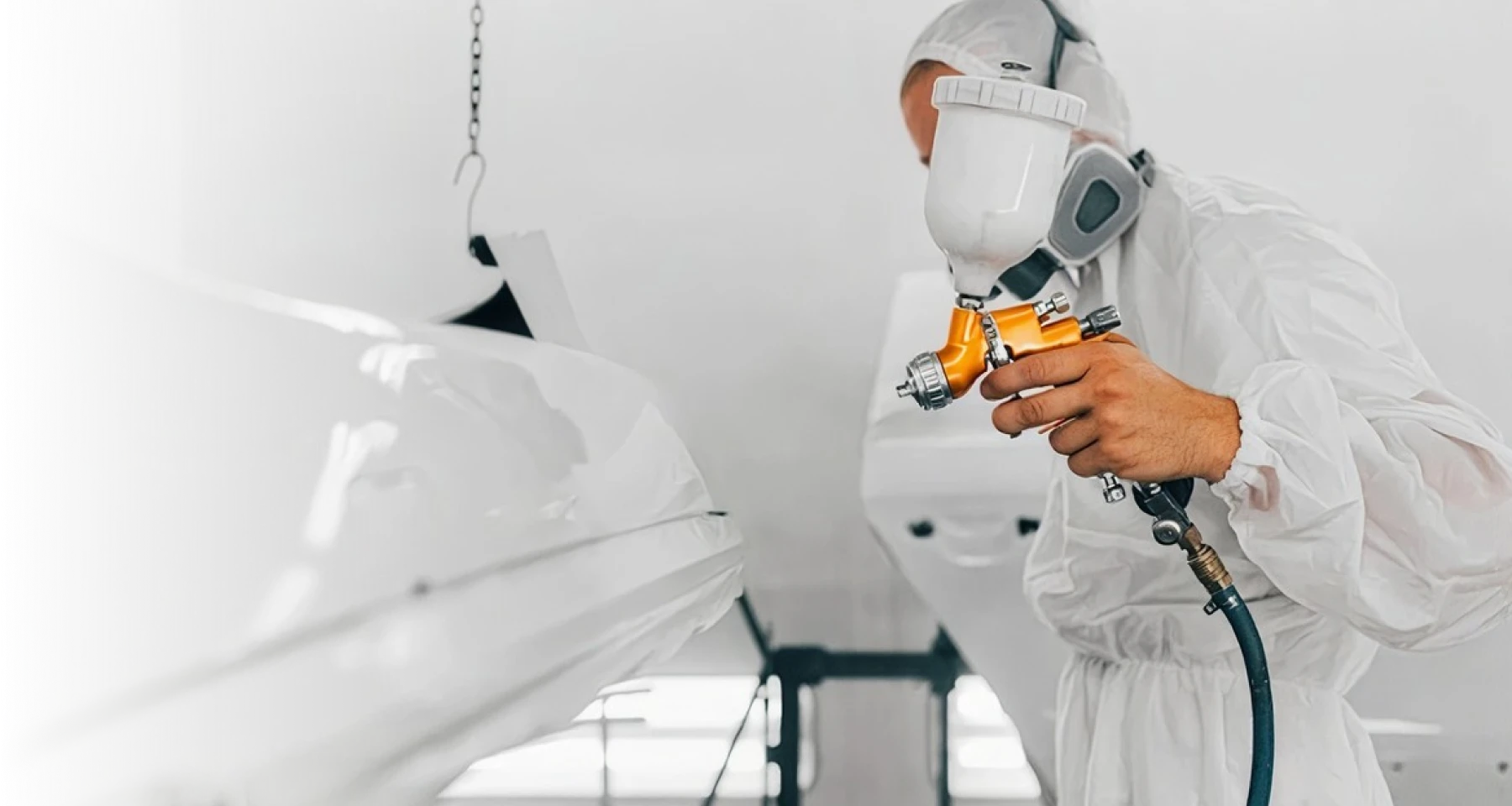
3-inch film sanding disc with ceramic hybrid abrasives and PET film backing, designed for small-area precision sanding in automotive refinishing.
3-Inch Film Master Sanding Discs
Product Overview
Product Application
Suitable for automotive body filler sanding, primer sanding, paint repair, small-area fine sanding, metalworking, woodworking, stone processing, and electronics (3C) surface preparation.
Grit Options
Regular: P80, P120, P180, P240, P320, P400, P500, P600
Custom: P60, P150, P220, P280, P360, P800, P1500, P2000
Size Options
Standard: 3-inch
 Wholesale or Distribution
 Technical details
Product Type
3-Inch Film Master Sanding Discs
Abrasive
Ceramic Hybrid
Backing
PET Film Backing
Grain Coating
Electrostatic + Open Coat
Top Coating
Anti-Clogging Layer
Attachment
Hook & Loop / PSA
Bonding
Resin over Resin
Package
100 pcs/Box
Industry pain points
| Challenge | Impact |
|---|---|
| Low Cutting Efficiency | Longer sanding time and increased labor costs |
| Frequent Disc Replacement | Tearing, wrinkling, and reduced productivity |
| Body Filler Dust Loading | Reduced cutting performance and lower continuous sanding efficiency |
| Dust Accumulation on Surface | Standard hole patterns can leave dust build-up, affecting surface finish |

Product Features
Multi-Layer Construction

· Ceramic Hybrid Abrasive — Fast, consistent cutting · Double-Layer Resin Bond— Stable grain retention · Polyester Film Backing — Flexible and tear-resistant · Hook & Loop Backing — Quick attachment and removal
Ceramic & Zirconia Blend Abrasives
Delivers stronger cutting performance with up to 2× faster stock removal than conventional abrasives, while providing extended service life.

3-Inch Small-Area Precision Sanding Design
Specially designed for small-area precision sanding, spot repairs, featheredge sanding, tight contours, and pre-polishing defect correction. Provides enhanced control and agility for small detail work.
Polyester Film Backing
Constructed with a high-strength polyester film backing that offers superior flatness and durability compared with traditional paper backing. Excellent tear resistance makes it suitable for both dry and wet sanding applications.
Anti-Loading Coating
Helps minimize dust accumulation and extends effective sanding life, especially for body filler and primer surfacer sanding applications.

Electrostatic Grain Distribution
Manufactured using electrostatic coating technology to ensure a more uniform and sharper abrasive grain orientation, improving cutting consistency and surface finish quality.

Hook & Loop Design
Provides secure attachment for stable operation while allowing quick installation and replacement, making it ideal for continuous sanding processes.
Wide Range of Applications
Suitable not only for automotive refinishing but also for metalworking, woodworking, stone processing, and electronics (3C) surface finishing applications.

Distributor Support from Gloris
Gloris provides overseas distributors with product samples, technical documentation, product images, application videos, catalogs, packaging consultation, and stable wholesale supply support. For qualified partners, further market cooperation opportunities can be discussed based on order volume and regional market requirements.
For Wholesalers & Distributors
Gloris supplies complete automotive refinishing solutions to wholesalers and distributors worldwide. Our product range covers abrasive sanding discs, body filler, clear coats, window films and PPF. We deliver consistent, high-quality products with reliable supply to help partners grow their automotive repair business.
Technical Resources
Related Insights

NEWS | Parrot® Gloris Full Range of Abrasive Products Selected for Juncheng Auto Group’s Abrasive Consumables Procurement Project

News | 鹦鹉® Gloris Becomes a Certified Abrasives Supplier for XPENG AEROHT Flying Car Manufacturing

鹦鹉® Gloris Brand Story | Automotive Refinishing Products & Solutions Supplier
FAQ
Why are film abrasives more stable and less likely to shed grit or deform in continuous sanding?
Why is film abrasive more stable and less likely to shed grit or deform?
You may also want to compare this with Why can film sanding discs still leave deep scratches or random swirl marks? and Why do abrasives clog, run hot, or shed grit, and how can you reduce these problems?.
In continuous sanding, the main reasons are:
Higher dimensional stability
Film backing is less likely to curl or deform under heat and pressure changes, keeping contact more uniform.
More even pressure transfer and scratch pattern
A stable backing helps reduce random deep scratches and improves finishing consistency before polishing.
Better grit retention in high-frequency work
Film products often maintain cutting performance longer, reducing frequent disc changes.
Stronger anti-clogging performance with dust extraction
With proper suction and pressure control, film abrasives can deliver more stable durability and process consistency.
Related product links
- 17 Holes Film Master Sanding Disc
- 48 Holes Film Master Sanding Disc
- 3-Inch Film Master Sanding Discs
Further reading
How should film abrasives, mesh abrasives, and sponge abrasives be combined for flat panels, curves, and edges?
In real refinishing or fine sanding work, film abrasives, mesh abrasives, and sponge abrasives each have their own strengths. The key is not which one is "best," but whether each one is used at the right stage of the process.
You may also want to compare this with What abrasive backing materials are commonly used in automotive sanding, and how should you choose among them? and In automotive refinishing, how should you choose between dry sanding and wet sanding?.
A practical way to think about them:
-
Film abrasives are well suited to flatter areas where stable cutting, consistent scratch patterns, and wet-or-dry use matter.
-
Mesh abrasives work well in dusty conditions, especially when dust extraction is used and anti-loading performance is important.
-
Sponge abrasives are more suitable for curves, edges, blend areas, and detail finishing because they reduce local pressure marks and missed spots.
A useful combination strategy:
-
For broad leveling work and primary stock removal, start with film abrasives or mesh abrasives.
-
For curved transitions, edge refinement, and final detail work, switch to sponge abrasives.
-
If the job creates a lot of dust and loading, mesh abrasives with extraction are often more efficient.
-
If the goal is a cleaner scratch pattern and more predictable paint or polishing follow-up, film abrasives are often easier to control.
In practice, do not choose only by abrasive name. Also consider surface shape, dust removal, current grit step, and what the next process needs.