Sponge sanding roll with sharp abrasives and flexible foam backing, conforming to edges, contours and hard-to-reach areas for body filler, primer and fine sanding.
Form Sanding Roll

Product Overview
Product Application
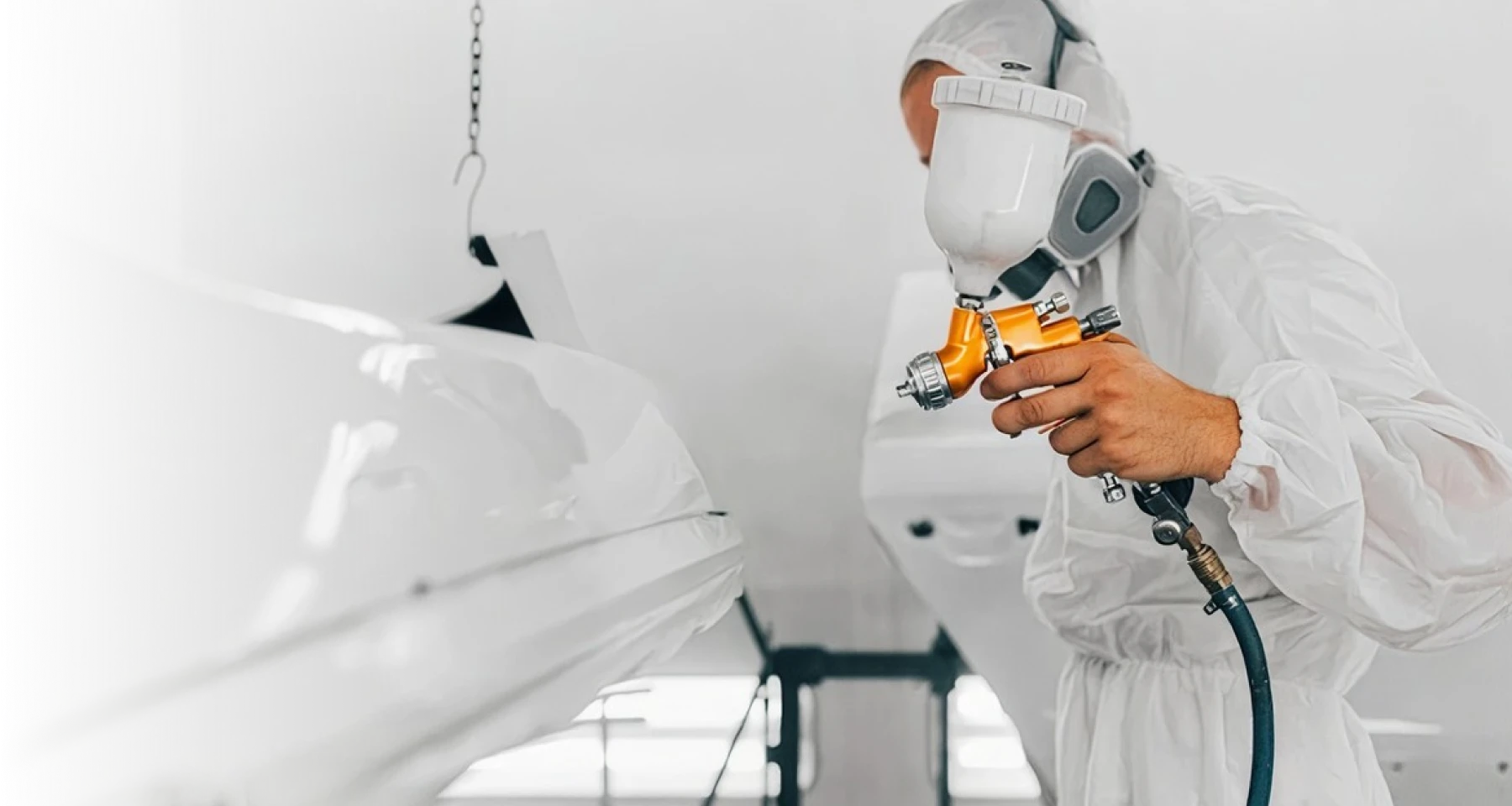
Suitable for automotive body repair and paint workshops, ideal for fine sanding and surface finishing of edges, door gaps, wheel arches, and other curved or hard-to-reach areas.
Grit Options
P320 P400 P600 P800
Minimum Order Quantity
2 Rolls
 Wholesale or Distribution
 Technical details
Product Type
Form Sanding Roll
Abrasive
Aluminum Oxide
Backing
High-Strength Paper Backing
Grain Coating
Electrostatic+Open Coat
Top Coating
Anti-Clogging Layer
Attachment
Sponge
Form
Rectangular Half-Sheet
size(mm)
115mm*125mm*2.5mm
Package
200 pcs/Box
Industry pain points
| Challenge | Impact |
|---|---|
| Low Cutting Efficiency | Longer sanding time and increased labor costs |
| Frequent Disc Replacement | Tearing, wrinkling, and reduced productivity |
| Body Filler Dust Loading | Reduced cutting performance and lower continuous sanding efficiency |
| Dust Accumulation on Surface | Standard hole patterns can leave dust build-up, affecting surface finish |

Product Features
High-Performance Aluminum Oxide Abrasive Made with premium aluminum oxide abrasive, this sponge sanding roll
Flexible Foam for Complex Surfaces The highly flexible sponge conforms easily to edges, corners, curves, and tight spaces, ensuring uniform sanding results on irregular shapes.
Durable Construction with Anti-Clog Coating Reinforced high-toughness paper backing combined with an advanced anti-clog coating reduces dust buildup, extends service life, and maintains smooth sanding performance.
Wet & Dry Use Sanding Sponges The foam-backed structure supports both dry and wet sanding. Its water-absorbent design makes it ideal for woodworking, metal finishing, automotive refinishing, and surface preparation.
Pre-Cut Design for Easy Handling The Pre-Cut Foam Back Sanding Sheets Roll allows quick tear-off without tools, making it especially suitable for manual sanding and improving work efficiency.
For Wholesalers & Distributors
Gloris supplies complete automotive refinishing solutions to wholesalers and distributors worldwide. Our product range covers abrasive sanding discs, body filler, clear coats, window films and PPF. We deliver consistent, high-quality products with reliable supply to help partners grow their automotive repair business.
Related Insights


FAQ
What abrasive backing materials are commonly used in automotive sanding, and how should you choose among them?
What are the common abrasive backing materials?
You may also want to compare this with How should film abrasives, mesh abrasives, and sponge abrasives be combined for flat panels, curves, and edges? and What abrasive grit sequence is more reliable for automotive refinishing?.
The most common backing materials are listed below:
Paper Backing
-
Cost-effective and widely used
-
Suitable for routine dry sanding and lighter-duty applications
-
Stability may drop under heat, humidity, and long continuous use
Cloth Backing
-
Better flexibility and tear resistance
-
Often used for heavier cutting or jobs requiring bending
-
Usually higher cost than paper backing
Film Backing
-
More uniform thickness and higher dimensional stability
-
Less edge curl and deformation in continuous sanding
-
Common in automotive fine sanding and pre-paint finishing
Sponge Backing
-
Better conformity on curves
-
Useful for edges, contours, and manual detail work
Mesh Backing
-
Strong anti-clogging performance with dust extraction
-
Suitable for dusty and clog-prone conditions
Related product links
Further reading
Is sanding sponge better for curved surfaces?
A sanding sponge is usually better for curved surfaces than regular sandpaper because its flexible foam backing can conform to contours, edges, and uneven shapes more easily. This helps distribute pressure more evenly and reduces the risk of deep sanding marks.
For automotive surface repair, sanding sponges are especially useful on curved car panels, bumpers, body lines, primer surfaces, and small repair areas. They are suitable for both fine sanding and surface preparation before painting or polishing.
For best results, choose the right grit for your application and avoid pressing too hard. Let the abrasive surface do the work while keeping steady, even movement across the curved area.