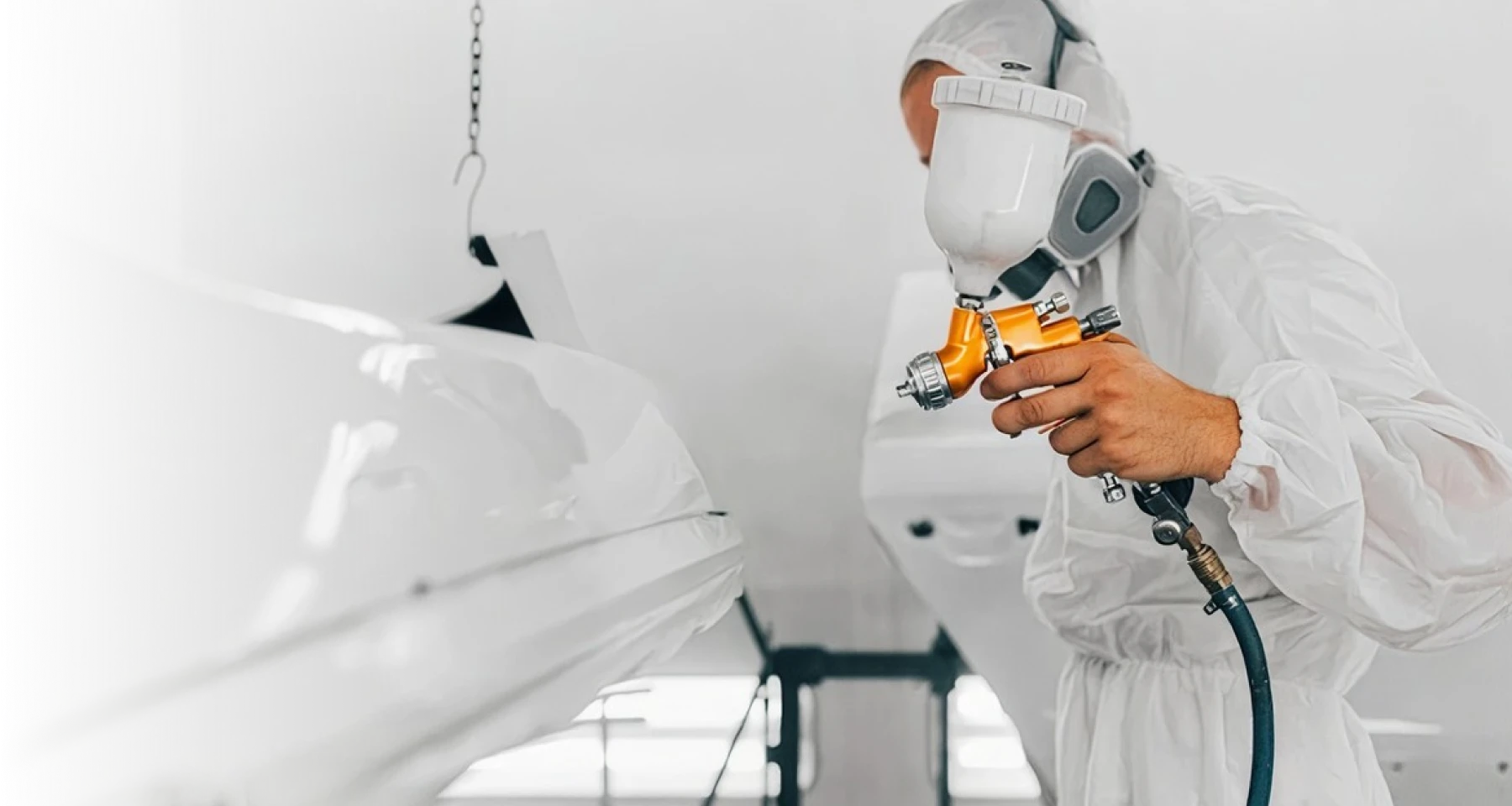
How Mesh Sandpaper Achieves Dust Free Sanding in Automotive Repair
In the automotive body repair and refinishing industry, sanding dust has long been a major issue affecting workshop cleanliness, paint quality, and worker health.
Focus on workflow, process transitions, and hands-on guidance for steadier application and installation.
Narrow these questions by the main category of their related products.
In the automotive body repair and refinishing industry, sanding dust has long been a major issue affecting workshop cleanliness, paint quality, and worker health.
A sanding sponge is usually better for curved surfaces than regular sandpaper
Move from coarse to fine in controlled steps—typically P80–P120 for shaping, P150–P240 for scratch refinement, then finer grades for primer and pre-paint work.
Use dry sanding for efficient shaping with extraction, and wet sanding for fine refinement, heat control, and lower airborne dust when the abrasive supports it.
Use film or mesh for broad leveling and dust-heavy work, then sponge abrasives for curves, edges, and detail finishing.
For wholesale sourcing or long-term distributorship, please review Gloris B2B partnership policies.
Wholesale or Distribution